
MetaMonster put one question to 23 web designers across our community: how do you package ongoing services or support after a project wraps? Monthly retainers, care plans, tiered pricing, hourly blocks, something else entirely?
Here’s what they said.
TL;DR
Most web designers land on some version of a monthly retainer or care plan for maintenance work, but the details vary a lot: what’s included, how it’s tiered, and whether hourly billing even belongs in the mix at all. A smaller group skips recurring plans entirely in favor of project-based work, prepaid hour bundles, or flat-rate day rates.
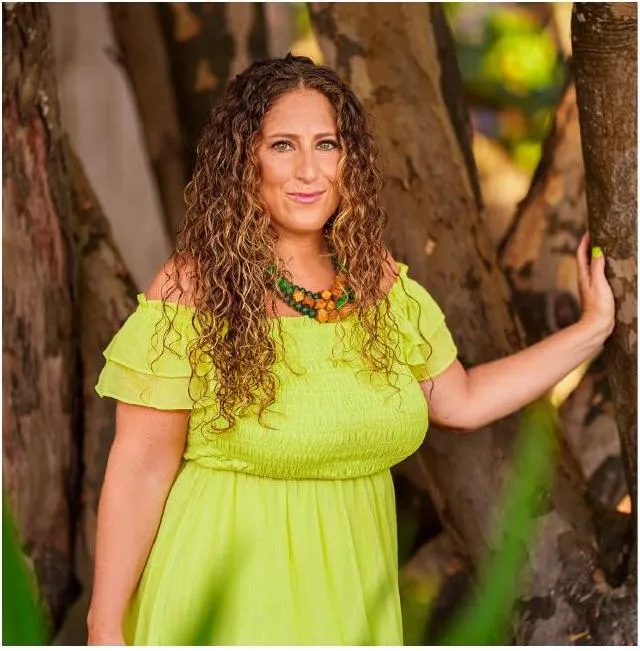
Rachel Pesso
Creative Director and Founder, RP Creative
I package ongoing support as a monthly Creative Direction retainer with a set number of design hours. Those hours can be used as needs evolve, whether that’s website updates, landing pages, presentation decks, social assets, or other brand touchpoints. My role goes beyond completing individual deliverables. I’m there to hold the creative through-line of the brand and make sure everything continues to feel connected and aligned as the business grows. Technical website maintenance is handled separately so our work stays focused on creative direction, design, and the overall brand experience.

Charlotte Analiese
Founder and Creative Director, Dazzling Designs District
My ongoing support is fully project-based! I’ve created an a la carte pricing menu that I operate off of when people come back to me wanting more support beyond the initial design project. In practice, this often looks like revamping the copywriting / messaging on their website, designing and writing a totally new sales page, adding a merch page for businesses releasing their own merch items, and so on. The point I always love telling my clients is this: “I want to be a helpful resource for you whenever you need me, but you might not need me every single month! So let’s partner back up in the moments when you do need my support to save you money in the long run.” This system has been a blast! It is always so fun to welcome back previous clients and see how much their business has grown and the amazing accomplishments they have made since we last worked together. Every new project together is like a mini celebration!

Zach Charbel
Web Designer and SEO Strategist, Zach Charbel Web Design & SEO
I use a tiered pricing retainer for Web Maintenance and SEO depending on frequency and a combination of hourly and fixed fee pricing for website design based on the clients needs. Specific deliverables are based on the project. It ranges from an SEO Report to delivery of all files, themes, plugins, etc. for a website, as I believe everyone should own their site.

Kim Russo
Founder, On Brand Designs
I offer a few different options depending on where my clients are in their business. My signature On Brand Experience Package combines brand strategy, visual identity, and a custom website into one cohesive process, with the investment split into four milestone payments to make it more accessible. For clients who only need a website, I provide custom project based pricing tailored to the scope, including factors like the number of pages, content needs, platform, and optional add ons such as on page SEO. For ongoing support, I offer monthly WordPress care plans that include website maintenance, updates, security monitoring, backups, and one hour of design or website edits each month so clients always have a trusted partner as their business evolves.

Hannah Nichol
Founder, CEO, Mane Impact
We crafted our ongoing website support packages around the specific requests we were receiving from our website development clients. They don’t want to think about the technical side of web maintenance, they don’t have the team in place to squash any bugs that pop up, and they often don’t want to handle basic site changes themselves. We offer two primary packages (which are available to anyone, not just exclusive for websites we’ve built for organizations!).
- Mane’s Monthly Maintenance: ongoing maintenance without the overhead of a full-time developer, which includes updates to themes, plugins, and WordPress Core (or whatever platform they’re using), performance monitoring, security monitoring, backup verification, and image optimization.
- Custom Technical Support: hourly blocks to submit any requests throughout the month. Clients submit website support tickets, and our team gets to work on updates so they can focus on what matters most for their business.

Andy Rhodenbaugh
Founder/Owner, Clear Sight Design
Most of my website clients specifically ask if they can manage their website on their own after delivery. Squarespace (the platform I build on) is a great fit for clients who want autonomy. It’s user-friendly and does not require my clients to stay with me. I’ve filmed a library of video tutorials for clients who want to edit their site on their own.
For clients who want to be completely hands-off and want ultimate peace of mind, I do offer two monthly retainer packages: My Unlimited package is $250/month and includes unlimited content updates. Clients use a Workflow client portal to upload content, and I execute the changes within 24 hours. Minimum 6-month agreement required, then rolling month-to-month. My Unlimited+ package includes everything above plus legal policies through Termageddon and ADA compliance through AccessiBe. I pay for and manage the annual subscriptions. $350/month. Minimum 6-month agreement required, then rolling month-to-month.

Paddy Winsley
Director, WINC Studio
We use monthly retainers with a tiered structure, Maintain, Support, Momentum, so clients aren’t paying for more than they need, but there’s a clear step up as their site (and reliance on it) grows. Maintain covers the essentials: updates, security, backups, uptime monitoring. Support adds a monthly bank of hours for content changes and small fixes. Momentum goes further: proactive performance and SEO health checks, ongoing improvements, less “fix it when it breaks,” more “keep it working better over time.”
The real game-changer for us has been WINCAdmin, a platform we built in-house that every maintenance client gets access to. It’s where updates get logged, support requests get raised, and clients get email notifications, so instead of a monthly PDF report or a vague “trust us, we’re on it,” they can actually see what’s been done and when.
Post-launch works best when it’s treated as an ongoing relationship, not a handover. The WordPress ecosystem moves fast enough that a site left untouched for a year quietly becomes a security and performance liability, even if it still looks fine on the surface.

Jordan Yates
Founder / Creative Director, Studio AntiGravity
At Studio AntiGravity, we usually offer ongoing support through a tailored monthly care plan rather than fixed tiers, which we just call our Site Maintenance. This includes website maintenance, security and performance checks, CMS/plugin updates, content changes, minor bug fixes and an agreed allowance of design or development time (normally in hourly blocks).
For clients needing broader support, we can build this into our ongoing creative retainer covering new landing pages, campaign assets, UX improvements and regular strategic reviews.
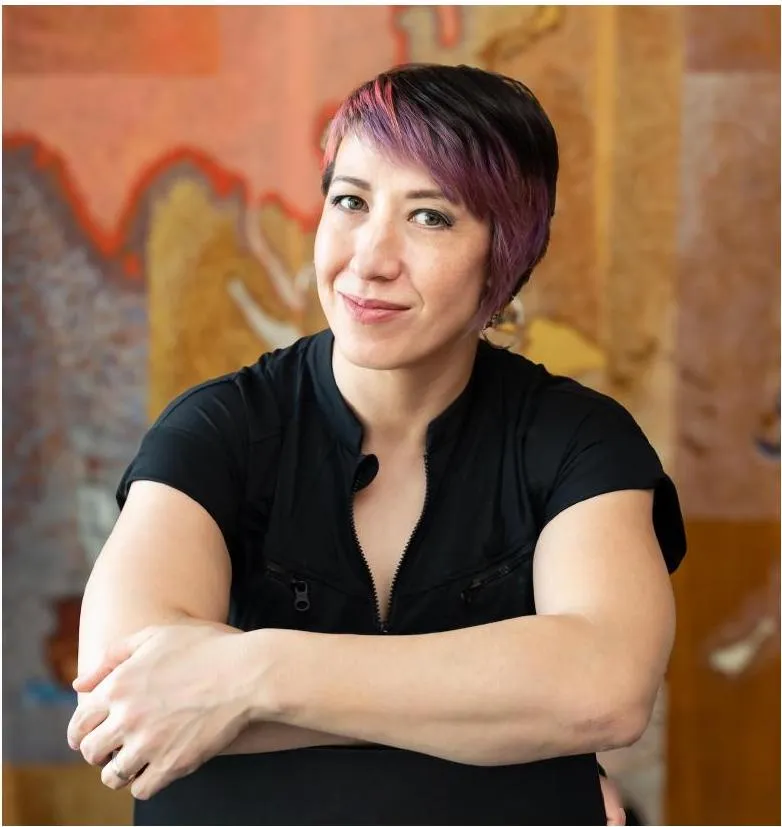
Sarah Giffrow
Creative Director and Benevolent Overlord, Upswept Creative
We have monthly retainers for hosting and maintenance of the Wordpress sites we build, at a Basic tier, and a Helper tier that includes doing content updates by the client’s request. We also make a point of doing a walkthrough call with each of our web design clients, where we screenshare and show them how to add and update content through the Wordpress Dashboard. During that, we also guide them through any custom content types or features we’ve added that they may need to interact with.
And, we also deliver a Care and Feeding Guide post-launch, which outlines a lot of what we cover in the website walkthrough, and also includes helpful best practices such as image sizing recommendations.

Calvina Nguyen
Founder, Brand Strategist & Designer, Your Brand Spark
I work primarily project-based rather than on monthly retainers. Clients come through a tiered ladder: a Brand Roadmap clarity session to set direction, then a build tier scoped to their goal (Business Launch Kit for founders launching, and larger brand intensives for established businesses).
Deliverables are packaged into the project scope rather than billed hourly, so a client knows exactly what they’re getting: brand direction, website copy and design, and the core assets they need to launch or elevate.
For ongoing support, I keep relationships warm with check-ins and offer follow-on projects as the business grows, rather than locking clients into a recurring care plan.

Ari Krzyzek
CEO & Head of Strategy, Chykalophia Web Agency
We package ongoing services around a simple idea: growth is exciting, infrastructure should be invisible. We named our care offering The Boring Stuff, and the name is the whole philosophy. Whether you’re a B2B company where the site is the first thing a prospect evaluates before a six-figure conversation, or a D2C brand where the site is the transaction itself, the underlying need is identical. Someone senior has to be watching, so the founder doesn’t have to.
Structurally, it’s a month-to-month retainer at three levels. The foundation tier at $997 a month covers what we call Revenue Assurance: security, speed, uptime, updates, patches, and integration health. That last piece is where most maintenance plans fall short. For a B2B client, that’s the form-to-CRM handoff, the marketing automation sequence, the gated asset delivery. For a D2C brand, it’s the checkout, the fulfillment sync, the email flows. Either way, the failures are silent and expensive. One client had abandoned cart flows quietly stop sending for nearly three weeks before we caught it. Recovering that was worth more than a year of the retainer.
The second tier at $1,997 adds the strategic layer: a quarterly audit that surfaces revenue and growth gaps, technical governance, direct Slack access, and a monthly forward-looking strategy sync.
The top tier is a fully integrated growth and tech department, where we own the outcome rather than just the uptime.
Every engagement starts the same way. Week one is a Foundation Audit mapping security, speed, integrations, and code quality. Weeks two and three are a Stabilization Sprint where we aggressively fix what’s broken. Month two forward is the Growth Cadence, where we monitor, optimize, and improve.
Two things we’re firm on. First, senior eyes only. No ticket queues, no junior support, direct access to partners who know your business context. Second, reporting stripped of vanity metrics. B2B clients care about qualified leads and pipeline influence. D2C clients care about conversion rate and revenue per session. Nobody needs a data dump. They need to know what’s working, what isn’t, and where the money is. We also offer a 30-day guarantee. If you don’t feel a real shift in operational velocity and executive peace of mind, we refund the first month.

Christi Cooper
Brand + Website Strategist / Designer, Cooper & Heart Creative
After a brand and website project with my clients, I offer two options for support:
- A WordPress maintenance package for my clients who have WordPress sites and who don’t want to be bothered with the updates, backups, and dealing with tech issues when they arise. Support includes: regular backups, updates to all plugins/themes/core WordPress, uptime/security monitoring, and one hour a month of troubleshooting tech support. That is charged as a recurring retainer rate on a month-to-month basis.
- For design support, I offer what I call a Design Sprint for a one-time flat rate. This is a three-hour block of my time scheduled on a specific date on the calendar where I focus on whatever my client needs done, whether that’s updates to the site, new pages, new graphics, new integrations, really anything that they need support with. It also includes a pre-sprint strategy call as well as 30-minutes of post-sprint revisions time. My clients love the flexibility of my design sprints! They’re super easy, we get them booked on the calendar, and then their stuff’s done and ready to go.

Lindsey Gira
Owner/Brand + Website Designer, Six Leaf Design
I only offer ongoing support to existing clients, but once we have a good working relationship I’m there to support them however works best. That might be hourly, flat rate, or project by project. But the best value and support I can provide to my clients is my Ongoing Brand Support packages, which are bundles of hours that can be bought up front at a discounted rate. The hours expire after 90 days and can be used for literally anything a client needs that’s within my skillset (within reason, like I’m not going to clean their toilet). And since they pay for these hours up front, they get priority in my schedule and don’t have to go through the hassle of quotes, contracts, or any other annoying paperwork each time something comes up.

Maria Elena Nunez
Founder, Oh Glossy
We use tiered monthly care plans, and we sell them as staffing rather than maintenance. The framing matters more than the structure. Our clients are beauty business owners, nail salons, and lash studios, and if you tell one of them they are buying “ongoing website maintenance,” it sounds like insurance for a thing that’s already built. So we don’t. We tell her we’re the front desk she can’t afford to hire, and the care plan is what keeps that front desk from quoting last year’s prices.
Three tiers. The entry plan covers hosting, security, uptime monitoring, and backups, plus a small monthly allowance for content changes. The middle tier is where most clients land, a larger update allowance and priority turnaround. The top tier adds the highest allowance and a proactive quarterly review, where we go looking for what’s out of date instead of waiting to be told.
We deliberately don’t do hourly blocks, and I’d push back on anyone who does for this kind of client. Hourly trains the customer not to call you. She has one price change she’s been meaning to send, it feels too small to spend an hour on, so she sits on it and six months later her site is confidently telling customers the wrong thing. That single behavioral difference is worth more to retention than any feature we could add to a tier.
If the client prefers to manage (rarely happens) we can do that too and hand it off. We also have a bonus they can sign up for, include an accessibility and privacy policy (they have to get it reviewed by a lawyer) but we cut out hours putting it together and hundreds in savings.

Alpana Aras
Brand Strategist and Photographer, Alpana Aras
A website should not be the starting point of a brand. It should be an extension of a clear identity. My work starts by helping clients uncover what makes them different, shape their story and visual direction, and create photography that supports how they want to be seen. When I take on a website project, the design grows from that strategy rather than being treated as a separate piece.
I bring more than 25 years of experience across advertising, marketing, graphic and web design, brand strategy, and photography, and my work has been published in The New York Times. Before I became a professional photographer, I was building websites for dot-com companies from the ground up.
That range allows me to see the bigger picture. I am not just thinking about the website. I am looking at how the identity, story, imagery, and design work together to create a brand people understand and remember.

Dana Watkins
Founder, Snaply Sites
At Snaply Sites, ongoing support looks different depending on what the client actually needs, so I offer two paths.
The first is a subscription model, starting as low as $199/month, which is designed for business owners who want professional, affordable web design without a large upfront investment. There’s no big check to write at the start. Instead, the client pays a flat monthly fee and gets a fully custom-built site, hosting, maintenance, monthly content updates, and a dedicated point of contact (me) who handles everything website-related on an ongoing basis. Clients on this plan think of me as an extension of their team, they send over a request and it gets handled, no hourly billing, no scope of work documents, no surprise invoices.
The second is a one-time project build with handoff, for clients who want to own and manage their site independently. These typically start at $2,500 and go up from there depending on scope. The build and design process is identical to the subscription path, same discovery, same design sprint, same level of investment in understanding the business, but at the end, I provide in-depth training, hand over full ownership, and include 30 days of post-launch support so the client feels confident before I step back. We build exclusively in Squarespace. There are plenty of platforms out there, but Squarespace is my preference because it’s an all-in-one solution that handles hosting, security, and updates automatically, which means less technical overhead for everyone. It’s intuitive enough that nontechnical clients can manage it confidently on their own if they go the handoff route, and reliable enough that I can consistently deliver polished, fast-loading sites without the same level of maintenance headaches that come with open-source platforms like WordPress.
Either way, every engagement starts the same way: a deep-dive discovery call to understand what the business does, who their ideal clients are, and what role the website should actually play in their growth. That foundation is what makes the ongoing relationship work, whether the client is on a retainer or flying solo after launch.

Brandy Chieco
Founder, Disco Lemon Design
When I build a website, my goal is always to empower the client with the tools they need to manage their site going forward. But when larger web projects come up that they don’t want to manage themselves, that’s what my VIP Days are for. Clients can hire me for the day at a flat rate and add days on as needed. Specific deliverables vary, of course, but can include things like design updates to their existing site, adding a sales page, or building a one-page website.

Oscar Ryan
COO, Geeks Root
We typically offer ongoing support through monthly care plans and retainers, tailored to the client’s needs rather than a one-size-fits-all package. Depending on the project, we also provide tiered support options and can accommodate hourly blocks for ad hoc requests.
Our ongoing services commonly include: website maintenance and security updates, performance monitoring and optimization, content updates and minor design changes, bug fixes and technical support, website backups and recovery, hosting and domain management (if required), SEO monitoring and ongoing optimization, analytics reporting and performance reviews, conversion rate and UX improvements, and technical consultation and priority support.
For larger organizations, we also act as an extension of their internal team, providing strategic guidance, feature enhancements, landing page creation, and continuous improvements based on business goals. Our focus is on building long-term partnerships where the website continues to evolve rather than remaining static after launch.

Chirag Dave
Business Development Manager, Roblinx Infotech
For ongoing maintenance and support, we offer both predefined support packages and fully customized plans based on your monthly requirements and the level of support you need. Our services are available on a monthly retainer basis for continuous assistance.
Alternatively, you can hire a dedicated resource who will work exclusively on your project. We can tailor the engagement model, scope, and level of support to best suit your business needs and operational requirements.

Emily Paulsen
Founder, Electric Collab
I’m a big believer that if a brand and website are built well, they shouldn’t require a lot of ongoing adjustment. We don’t have maintenance fees or ongoing retainers, BUT we do have an exclusive, past-client portal to quickly jump in and support with any website needs. Electric Evolution (said portal) allows us to continue serving clients as their on-call brand department when they inevitably expand their service suite, grow their team, expand their audience, or invent a new way to solve market problems. Clients only pay for the work they need, and we get the joy of continuing to partner with amazing businesses. Win, win!

Tom Galland
Managing Director, SEO Growth
I do web design as part of the services we do, as well as web development. We just do monthly retainers or project-based. Flat fee, same every month, cancel any time. No hourly blocks.
It covers hosting, security updates, small design, graphics and content changes, fixing stuff that breaks, and a monthly report. Anything bigger, like a new page build, gets quoted separately.
We went flat because feedback from our clients was that they hated surprise invoices, and we found that there would be discussions about the details on why an hour was spent on this or that. It just reduced friction and increased client confidence.
Abhishek Butani
Business Consultant, CMARIX
We’re flexible with our engagement model and can support you on a project basis or through flexible hourly packages, whichever suits your workflow best. I’m also attaching some of the hourly support models we generally recommend for post-launch support. With Packages of 50,100, 200 hours with the following price of $1000, $1800 and $3200.
Laxman Kumar
Business Development Manager, 9ance AI Technologies
We typically offer hourly (starting from $9/hr for designing), hourly or monthly support that include maintenance, security updates, backups, performance optimization, UI/UX improvements, content updates and technical support. As clients grow, we also provide feature enhancements, AI integrations, CRM improvements and dedicated development support, helping them scale with a reliable long-term technology partner.
What it all adds up to
Twenty-nine designers, one question, and no single right answer. The monthly retainer is still the default, but rarely a plain one. Christina Spaulding, Charlee Alexeev, Kim Russo, Paddy Winsley, Sarah Giffrow, Christi Cooper, Oscar Ryan, Chirag Dave, and Tom Galland all run some form of recurring monthly plan, but nearly every one of them layers in tiers, hour allowances, or an add-on structure rather than selling one flat package.
Some designers are done with hourly billing entirely. Maria Elena Nunez put it most directly: hourly trains the customer not to call you, and small problems quietly pile up while a client decides if the fix is “worth an hour.” Andy Rhodenbaugh, Ari Krzyzek, and Dana Watkins landed in a similar place, building unlimited or flat-fee plans specifically so clients never have to weigh whether a request is worth the invoice.
Others build hourly blocks in on purpose, for the flexibility. Zach Charbel, Jordan Yates, Abhishek Butani, Laxman Kumar, and Chirag Dave all keep hourly or blocked-hour options alongside retainers so clients can dial support up or down as needs change.
A meaningful group skips retainers altogether. Charlotte Analiese, Calvina Nguyen, Lindsey Gira, Brandy Chieco, and Emily Paulsen all prefer project-based, prepaid-hour, or flat day-rate models, arguing that a well-built site shouldn’t need a recurring maintenance bill to stay healthy.
Transparency is becoming its own selling point. Paddy Winsley’s in-house WINCAdmin platform and Ari Krzyzek’s reporting built around real business metrics both point to the same idea: clients don’t want a vague monthly check-in, they want to see exactly what’s being done and why it matters.
There’s no universal template here, and that’s really the takeaway. The designers who seem happiest with their model are the ones who built it around how their specific clients actually behave, not around what a pricing page template says a web designer is supposed to offer.
Whether that lands you on a tiered retainer, a stack of prepaid hours, or no recurring plan at all, the goal is the same: keep the site healthy and keep the relationship easy, without either side dreading the next invoice.
Thanks to everyone who took the time to share how they run their business.